Bass Might Be Better If You:
- love rhythm and groove
- enjoy simpler-looking setups
- want easier beginner songs
- prefer playing one note at a time
- like deeper sound tones
- want a lower-pressure starting point
A lot of beginners get stuck asking themselves one question before they even start:
“Should I learn bass or guitar first?”
And to be fair, I completely understand why.
When you first start looking online, there are millions of different opinions everywhere, and it quickly becomes overwhelming:
At some point, you just want someone to give you a simple answer.
The good news?
You really can’t make a “wrong” choice here. It mostly depends on your personal goals and what kind of music experience you want long term.
Both instruments are fun, rewarding, and beginner-friendly in different ways, which we’ll look into in a moment.
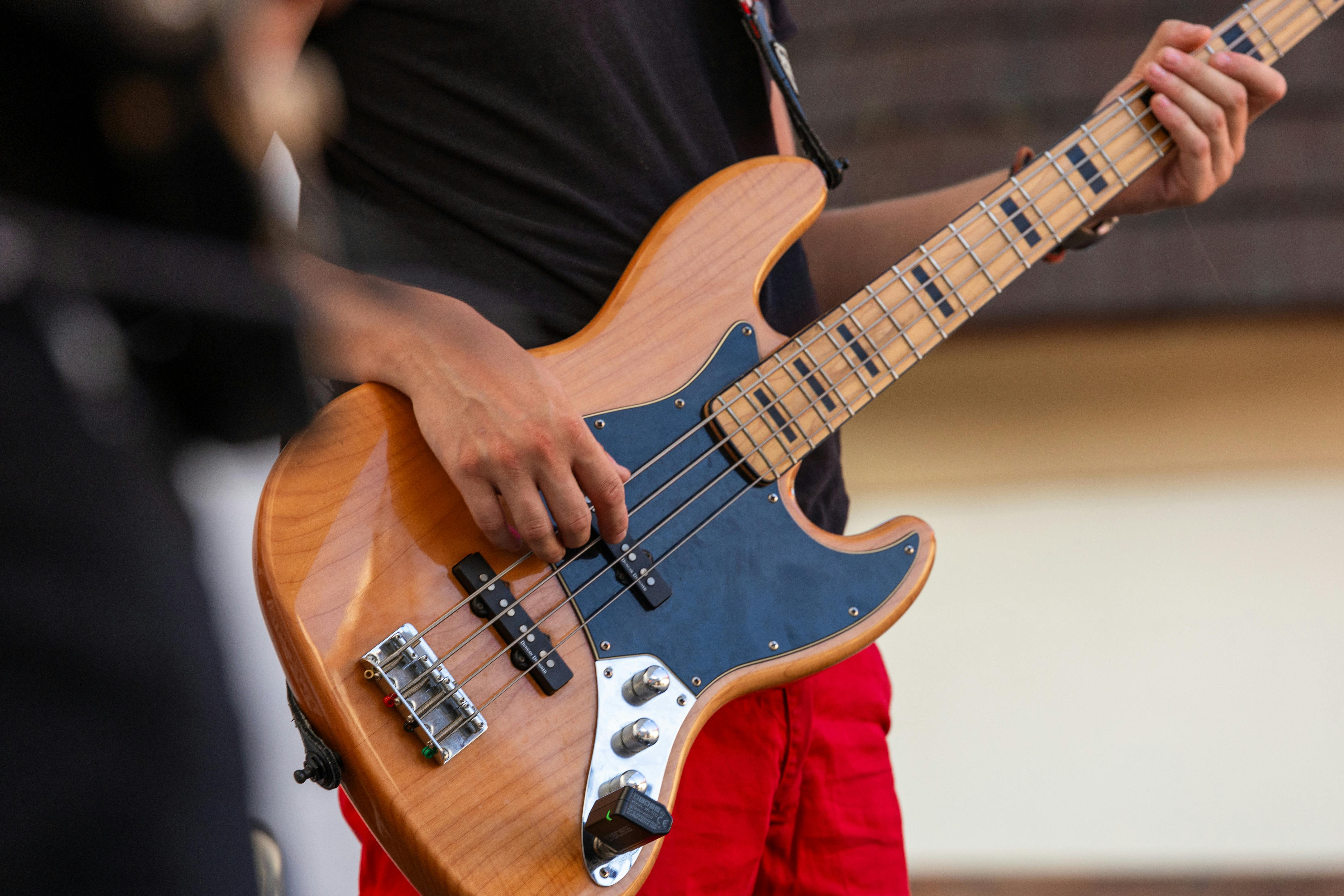
For most complete beginners, yes, bass is usually a little easier to start with in the beginning.
Why?
But that does not mean bass is “easy.”
And it definitely doesn’t mean guitar is impossible.
It really depends on your personal goals, like which songs you want to play and how you want to sound when playing them.
I think the better instrument is usually the one that makes you excited to keep practicing.
If you feel more excited about one specific instrument, don’t let people discourage you from starting with it just because another instrument might seem “easier.”
You’ll naturally stay more motivated and practice more if you genuinely enjoy the instrument you’re playing, not just because it looks easier at first.
One reason beginners often find bass easier is because you usually play one note at a time instead of full chords, and it only has 4 strings instead of 6.
On guitar, beginners immediately struggle with:
Bass can feel less overwhelming at first because the early learning process is usually more straightforward.
You can start playing simple grooves and recognizable songs surprisingly quickly.
Getting small wins early also matters a lot for motivation.
Guitar also has some beginner advantages.
For example:
A lot of beginners love the feeling of learning their first chord progression and instantly hearing something musical. That feeling is hard to beat.
You can also learn small and easy riffs very early on that already sound similar to real songs, which is one of the same beginner-friendly advantages bass offers too.
This is actually what I enjoyed practicing a lot when first starting out, the feeling of playing a riff that sounded just like the real song.
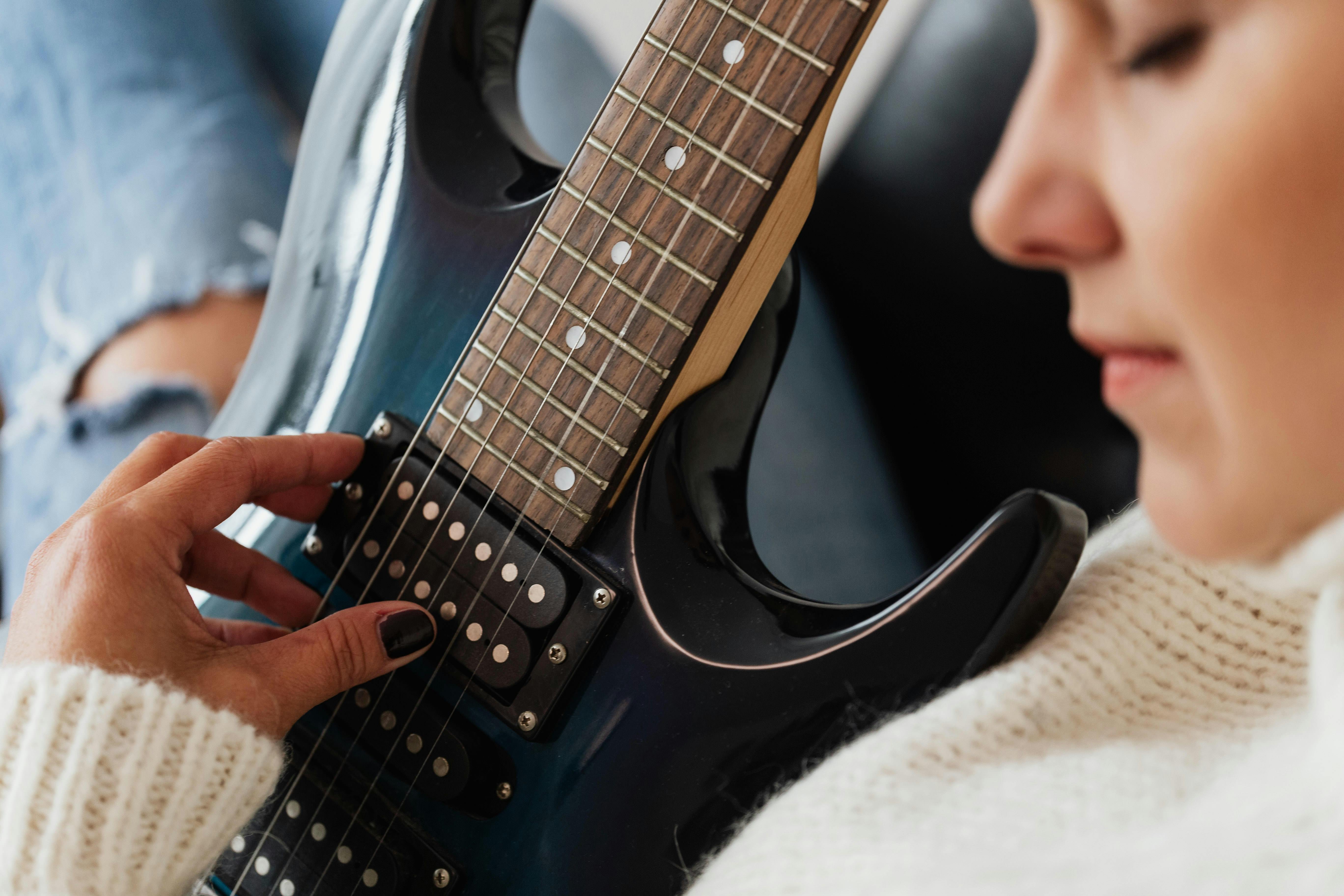
But don’t forget to practice your chords too, because later on you’ll be able to have even more fun combining both together.
So both instruments have frustrating beginner moments.
Bass beginners often struggle with:
Guitar beginners usually struggle with:
Most beginners think they’re “bad” way too early.
Usually they just need:
That’s completely normal.
Sometimes we forget the bigger goal here, which is simply to play music and have fun.
That’s why small wins matter so much in the beginning.
Keep things simple, don’t overthink too much, and don’t constantly ask yourself if you’re “good enough.”
Just keep going.
The more you practice, the more you naturally improve over time.
The “best” instrument is the one that makes you want to pick it up consistently and enjoy playing.
Music is supposed to make you feel good, and that’s really why we’re all here in the first place.
That matters way more than:
Even practicing:
is more valuable than buying expensive gear and never touching it.
For many beginners, yes.
Because bass usually focuses on single notes instead of complex chords at first.
But bass strings are also thicker, which can take time to get used to.
Absolutely.
A lot of musical skills transfer over:
It depends.
Guitar can sound fuller faster, but bass often feels simpler to start with technically.
Both can be beginner-friendly if:
Hand size usually matters much less than beginners think.
Technique and consistency matter far more over time.
Join the Happy Vibe Tribe for beginner-friendly guitar tips, simple practice advice, and stress-free guidance designed to make learning music feel easier and more fun.